


-

Add: HeBei ShengShi HongBang Cellulose Technology CO.,LTD.
-

Email
13180486930@163.com -

CONTACT US
+86 13180486930
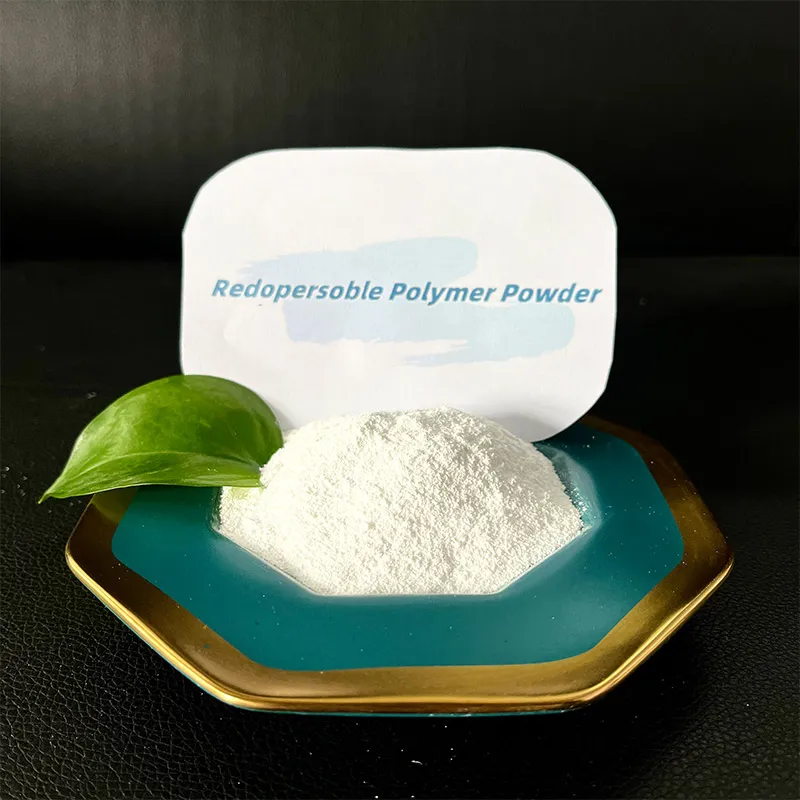

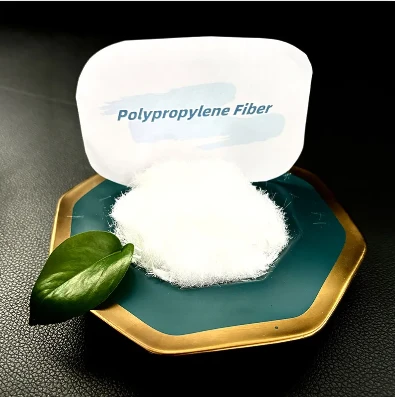



Polyolefin fibers, an essential component in the textile and manufacturing industries, have significantly gained attention due to their versatile applications and superior qualities. These fibers, derived from polymers such as polypropylene and polyethylene, offer a unique combination of properties that cater to numerous industrial needs, enhancing both product performance and durability. One of the most significant advantages of polyolefin fibers is their exceptional resistance to moisture. This property makes them an ideal choice for outdoor applications, where exposure to environmental elements like rain and humidity can quickly degrade other materials. For instance, agricultural fabrics designed to protect crops from the elements heavily rely on polyolefin fibers due to their robust water-repellent characteristics, ensuring longevity and consistent performance across seasons. Moreover, the high tensile strength of polyolefin fibers contributes importantly to their value in various industries. Their ability to withstand considerable stress without breaking or deforming makes them suitable for manufacturing high-strength ropes, fishing nets, and even geotextiles used in construction projects. This inherent strength not only extends the lifespan of the products made from these fibers but also enhances their reliability in critical applications, where failure is not an option. A prominent feature of polyolefin fibers is their inherent resistance to chemical attacks. This characteristic is particularly beneficial in environments where exposure to harsh chemicals or solvents is a concern, such as in industrial filtration systems or packaging materials. Products made from polyolefin fibers do not easily degrade when in contact with chemicals, ensuring both product integrity and safety over time. In the arena of sustainability, polyolefin fibers present a commendable profile. They are fully recyclable and contribute less to the overall carbon footprint compared to some other synthetic fibers. Their production process, largely driven by advances in polymer technology, has become more energy-efficient, allowing manufacturers to produce these fibers with reduced environmental impact. This aspect of sustainability positions polyolefin fibers favorably among environmentally conscious businesses aiming to incorporate more eco-friendly materials into their product lines. polyolefin fiber The light-weight nature of polyolefin fibers is another enticing benefit, leading to two major advantages—ease of handling and reduced transportation costs. Their low density results in lighter end products, which is particularly beneficial for applications in the automotive and aerospace industries, where weight reduction translates to improved fuel efficiency and performance. Polyolefin fibers thus contribute to overall cost savings , benefiting both manufacturers and end consumers. While the advantages are clear, incorporating polyolefin fibers into applications requires careful consideration of certain technical properties. Polyolefin fibers have a relatively low melting point compared to other synthetic fibers, which can be a limiting factor in high-temperature applications. However, this limitation is often addressed in innovative ways by blending polyolefin fibers with other materials or using them in environments where their low thermal resistance is not an issue. The expertise and authority of polyolefin fiber production have been greatly advanced by leading companies and research institutions globally. Their focus remains on refining the production processes and enhancing the fiber’s properties to meet the ever-evolving demands of the market. Extensive research and development activities ensure these fibers remain at the forefront of innovation, maintaining their status as a reliable and versatile material choice. Trustworthiness in the field of polyolefin fibers is further reinforced by strict compliance with international standards and certifications, which oversee the quality and environmental impact of these materials. Reputable manufacturers provide comprehensive data and transparency about their products, allowing consumers to make informed decisions based on verified performance metrics. In conclusion, polyolefin fibers represent a remarkable blend of performance, durability, and sustainability, making them indispensable across a variety of industrial sectors. Their distinctive properties provide tangible benefits, from extending product life to reducing environmental impacts, ensuring that polyolefin fibers will continue to be a material of choice for innovative solutions well into the future.
- 40000tons

Production
- 20+years

Experience
- 5000+㎡

Acreage

-
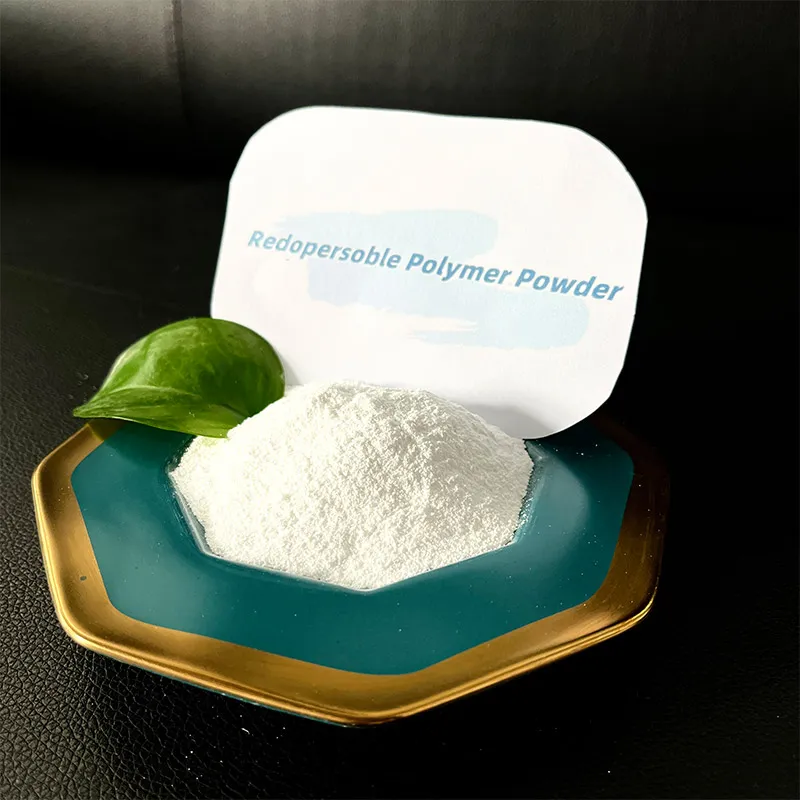
L’idrossipropilmetilcellulosa (HPMC) è un composto polimerico che trova un ampio utilizzo in diversi settori industriali grazie alle sue proprietà uniche. Questo articolo esplora le applicazioni e i benefici dell'HPMC focalizzandosi su come queste caratteristiche siano sfruttate nel mercato italiano e globale. L’HPMC è un etere di cellulosa ampiamente utilizzato nei prodotti farmaceutici, cosmetici e alimentari. Le sue proprietà principali includono la capacità di formare gel idrosolubili, viscosità regolabile, e stabilità termica, tutte caratteristiche che lo rendono un ingrediente versatile in molte formulazioni. Nel settore farmaceutico, l’HPMC è utilizzato prevalentemente come eccipiente nei farmaci a rilascio controllato e come agente di rivestimento per compresse. La sua capacità di regolare la dissoluzione del farmaco lo rende particolarmente utile per garantire l'efficacia terapeutica e migliorare la compliance del paziente. In Italia, l’uso di HPMC nei cosmetici è cresciuto notevolmente , grazie alla tendenza verso prodotti più naturali e sicuri per la pelle. L'HPMC, essendo un derivato della cellulosa, è considerato un ingrediente non tossico e biocompatibile, ideale per formulazioni cosmetiche che richiedono stabilità e texture piacevoli senza l’uso di prodotti chimici aggressivi. Viene impiegato come addensante in creme e lozioni, migliorando la texture senza compromettere l'assorbimento di altri elementi nutritivi nella pelle. Nel campo alimentare, l'HPMC è utilizzato come additivo alimentare (E464) grazie alla sua capacità di formare gel e emulsionare. È spesso impiegato nei prodotti senza glutine per migliorare la consistenza e la durata di conservazione del prodotto. La crescente domanda di prodotti senza glutine e a base vegetale ha spinto molte aziende alimentari italiane a incorporare l’HPMC nelle loro linee di prodotti, rispondendo alle esigenze di un mercato in evoluzione e più consapevole dal punto di vista nutrizionale. HPMC è Una delle aree emergenti dell'impiego di HPMC è nell'industria delle costruzioni, dove è utilizzato come additivo nei cementi e nelle malte per migliorare le proprietà di lavorabilità e adesione. Questo aspetto è particolarmente rilevante in Italia, dove l’industria edile continua a richiedere materiali che possano resistere bene a climi variabili ma che siano anche ecologicamente sostenibili. L’affidabilità e la versatilità dell’HPMC la rendono una scelta preferita in varie applicazioni. Gli esperti del settore riconoscono l'autorità delle sue applicazioni industriali, che sono basate su prove empiriche e su un lungo periodo di utilizzo documentato. La reputazione dell'HPMC come ingrediente sicuro ed efficace è anche sostenuta da istituti di ricerca e normative internazionali, fornendo un ulteriore livello di fiducia e autorità ai produttori che scelgono di utilizzarlo. In conclusione, l’idrossipropilmetilcellulosa rappresenta un ingrediente chiave per molti settori, grazie alla sua versatilità e sicurezza. Le aziende in Italia e nel mondo che adottano l'HPMC come parte delle loro strategie di produzione possono non solo migliorare la qualità dei loro prodotti ma anche rispondere alle crescenti richieste del mercato per opzioni più naturali e sostenibili. L'adattamento e l'innovazione continuano a guidare l'uso dell'HPMC, sottolineando la sua importanza nel panorama industriale moderno.
-
In today’s age of sustainable manufacturing and eco-conscious innovation, wood cellulose has gained immense relevance across diverse industries. Extracted primarily from plant cell walls, wood cellulose fiber stands out as a natural polymer known for its strength, flexibility, and biodegradability. From construction to textiles, and even personal care, this organic material is changing the way manufacturers approach product performance and environmental impact. Unlike synthetic fibers, wood cellulose is renewable, making it a cornerstone in the evolution of green materials. Its unique chemical structure gives it superior compatibility with other natural and synthetic materials, allowing wide-ranging applications without sacrificing quality or performance. Industries now rely on wood cellulose fiber as a cost-effective, eco-friendly alternative in formulations such as plasterboard, adhesives, coatings, personal hygiene items, and building materials. Because it can absorb and retain water while offering excellent reinforcement, its use is both economical and technically valuable. Understanding the Role of Xylem Fiber in Wood Cellulose Production The source of wood cellulose lies deep within plant structures, particularly in what is known as xylem fiber . These fibers are the water-conducting vessels of vascular plants and form the bulk of wood matter. Xylem fiber is rich in cellulose, and once processed, yields high-purity wood cellulose fiber suitable for commercial use. Harvesting and refining xylem fiber involves a meticulous process that removes lignin and other non-cellulosic components. This results in a product with increased whiteness, flexibility, and hydrophilic properties, making it ideal for industrial applications. Whether used in dry-mix mortars or daily chemical products, this purified wood cellulose enhances workability, improves consistency, and ensures thermal stability. As more manufacturers strive to balance performance with sustainability, xylem fiber continues to demonstrate its superior efficiency and ecological advantage. Its use reinforces the global trend toward adopting plant-derived solutions over petrochemical-based alternatives. The Difference Between Sawdust and Wood Cellulose You Should Know One of the most common misconceptions is the difference between sawdust and wood cellulose . While both originate from wood, they differ significantly in composition, processing, and end-use. Sawdust is the coarse byproduct of mechanical woodworking, consisting mainly of wood particles, bark, and possibly contaminants. In contrast, wood cellulose is refined, purified, and chemically processed to isolate the cellulose fibers from lignin and hemicellulose. Understanding the difference between sawdust and wood cellulose is critical when selecting materials for manufacturing or formulation purposes. Sawdust cannot provide the uniformity, solubility, or performance-enhancing properties that wood cellulose fiber offers. The latter is tailored to specific applications like enhancing viscosity in adhesives or acting as a binder in construction materials. When purity and performance matter, wood cellulose is the superior choice. It undergoes rigorous chemical treatment and screening to ensure the material's consistency, safety, and functionality across all use cases, something sawdust simply cannot match. Why Wood Cellulose Fiber Is Dominating the Industrial Market From construction to personal care, the dominance of wood cellulose fiber in modern industry cannot be overstated. Thanks to its unique properties—such as moisture retention, film-forming ability, and thermal insulation—it is preferred in numerous applications ranging from cementitious products to cosmetic creams. In the building industry, wood cellulose fiber improves the workability and adhesion of mortar and plaster. In daily chemical goods, its thickening and stabilizing properties enhance the feel and shelf life of products. Its biodegradability also ensures that products made with wood cellulose fiber leave minimal environmental footprint, aligning with today’s green production goals. Moreover, wood cellulose is highly compatible with other substances like starch ether and HPMC, commonly used in dry-mix systems. This makes it an irreplaceable additive in tile adhesives, wall putty, and EIFS (external insulation and finish systems). Its natural origin and performance advantages give it an edge over synthetic alternatives. Applications and Market Outlook for Wood Cellulose and Xylem Fiber The global demand for wood cellulose and xylem fiber continues to rise, driven by increasing emphasis on eco-friendly materials and biodegradable solutions. Industries are leveraging these fibers to meet sustainability standards while enhancing product quality. In paper manufacturing, wood cellulose fiber is the primary raw material used to achieve high whiteness and printability. In agriculture, it serves as a soil conditioner that retains water and improves aeration. The paint and coatings industry uses it to stabilize emulsions and improve spreadability. Even in personal care products, wood cellulose finds its place as a thickening agent in lotions, shampoos, and toothpaste. Thanks to its versatility and eco-benefits, wood cellulose is expected to remain a critical material in green technologies. Companies investing in high-purity xylem fiber sourcing and innovative processing methods are likely to gain a significant market advantage in the coming years. Xylem fiber FAQs What is the main difference between wood cellulose and xylem fiber? Xylem fiber is the structural component of vascular plants responsible for transporting water, whereas wood cellulose is a processed derivative of these fibers. The cellulose is extracted from xylem fiber through chemical and mechanical processing to yield a purified product used in industrial applications. Can wood cellulose replace synthetic polymers in industrial use? Yes, wood cellulose fiber can effectively replace many synthetic polymers, especially in applications that require biodegradability, moisture retention, or thickening. It offers comparable performance with a much lower environmental impact, making it ideal for green manufacturing. Is there any overlap between sawdust and wood cellulose in use? Not really. While both come from wood, sawdust is a raw byproduct used mainly for low-grade applications like animal bedding or fuel. Wood cellulose , on the other hand, is chemically refined for high-performance industrial applications, making them fundamentally different in quality and use. How is wood cellulose used in construction materials? In the construction industry, wood cellulose fiber is added to dry-mix mortar, tile adhesives, and plasters to enhance workability, water retention, and bonding strength. It improves the rheological properties of the mixture, resulting in smoother application and longer open time. Why is wood cellulose considered environmentally friendly? Wood cellulose is biodegradable, renewable, and derived from natural sources. Unlike petroleum-based materials, it decomposes safely in the environment and does not contribute to long-term pollution. Its use supports sustainable industrial practices and reduces carbon footprint.
advantages
-

200000 Viscosities
Excellent product
We can produce pure products up to 200,000 viscosities
-

40000 tons
High yield
We don’t stop production all year round, and the annual output can reach 40,000 tons
-

24 hours
Quality service
We provide 24-hours online reception service, welcome to consult at any time
———— Inquiry Form
Schedule A services

-
 is_cellulose_wood_shavings
Oct . 25, 2025
Exploring HPMC E15 A Versatile Excipient in Pharmaceutical Applications Hydroxypropyl Methylcellulos -
 hydroxypropyl_methylcellulose_thuoc
Oct . 25, 2025
Understanding the distinctions between HPMC K and E series is critical for various industries, such -
 proveedor_de_hidroxipropilmetilcelulosa
Oct . 25, 2025
Hydroxypropyl methylcellulose solution , commonly abbreviated as HPMC, plays a transformative role i


